Technology is everywhere. We use it every day, in every classroom, for nearly every task. But what does it look like when we take the use of our computers too far?
Artificial Intelligence (AI) is on the rise. As students and teachers everywhere continue to utilize technology in the classroom, AI has begun to secure its spot in academic environments. According to NASA, AI refers to “computer systems that can perform complex tasks normally done by human reasoning.”
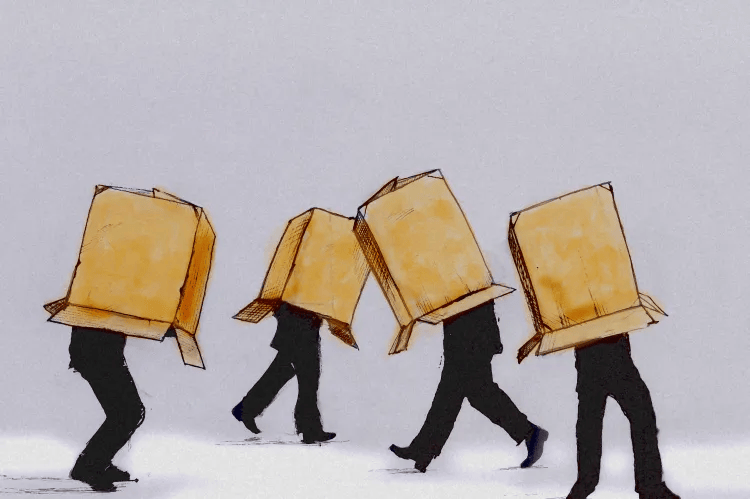
This sounds like the perfect tool to help students comprehend course material, and it is. However, some agree that abusing AI in and outside of the classroom has the potential to be highly destructive of a student’s willingness and ability to fully comprehend and apply information and assignments left to AI to complete. When a person intentionally chooses not to inform or educate themself on a topic, typically to avoid discomfort, it is called willful ignorance.
When AI is overused in academic settings, there is ample room for students to opt to have their computers complete their work for them rather than doing it themselves. According to the Center for Democracy and Technology, 63% of teachers report that students have consistently gotten into trouble for using generative AI to complete assignments. This statistic is considerably larger than the 48% recorded in 2022.
AI certainly isn’t all bad and can be used to check work and provide an additional vehicle for growth and academic fluency. Weatherford High School senior Jett Galik uses AI sparingly, but he does not allow it to bleed into his work. Due to his mindful use of AI tools, Galik feels confident that, in the event of an AI outage, he would still be capable of completing his work as he is present.
Not every student restricts their use of AI in the classroom, which can be detrimental to student progress as it contributes to innovation and research in university settings. Jett Galik tells us that he thinks AI can “almost be like a crutch for kids, allowing them not to ask their teachers the questions they need to ask.” As students continue to fall behind, the pool of researchers (or potential researchers) will shrink, slowing innovation and stalling progress as young people struggle to catch up.
As we observe the steady increase in AI use in academic settings, we must remain aware of the effects of AI on student performance and make an effort to avoid the progressive handicap of willful ignorance.